What we did
The meeting began with an official welcome to the participants. Following this, Katarzyna Kowalska from Autokreacja presented the objectives of the „City Voices” project, emphasizing its significance in strengthening the voice of residents in decision-making processes regarding urban development. The project focuses on building tools that enable citizens to actively participate in shaping the spaces where they live.
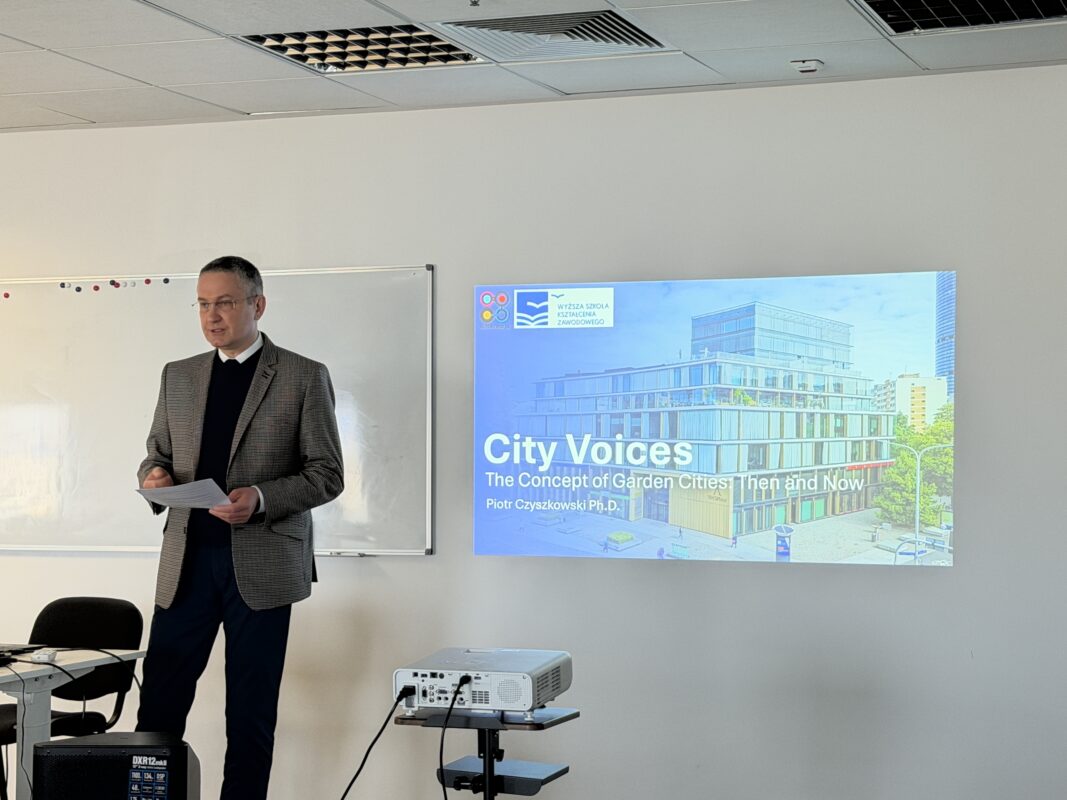
The next item on the agenda was an introductory lecture by Dr. Piotr Czyszkowski titled „The Garden City Idea. Yesterday and Today.” The speaker presented the historical foundations of the garden city concept and its contemporary interpretations, pointing out the need to balance urbanization with environmental care and the quality of life of residents.
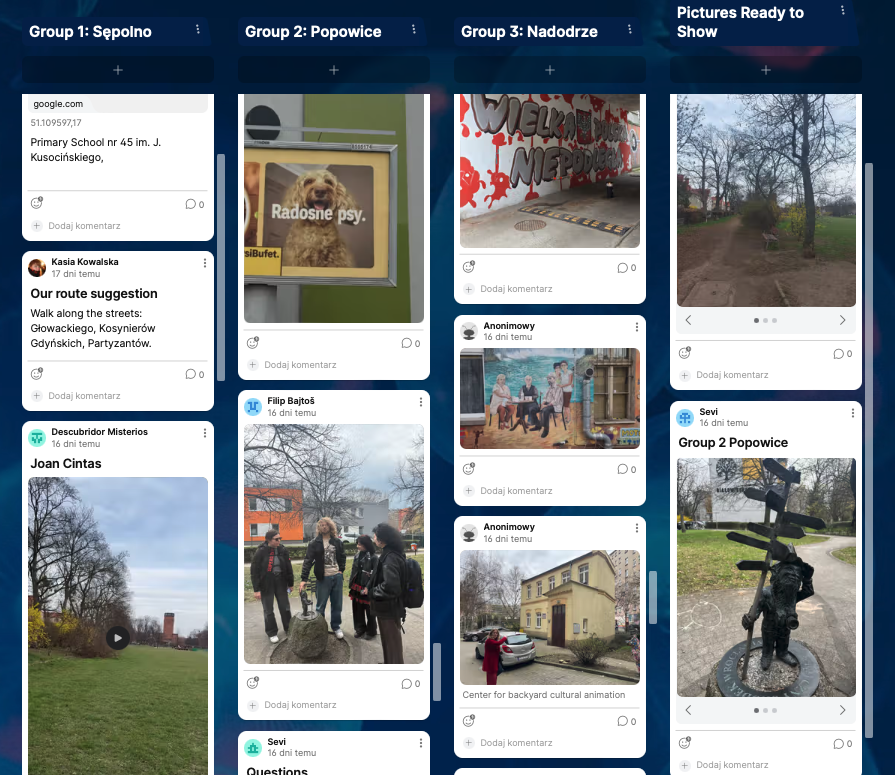
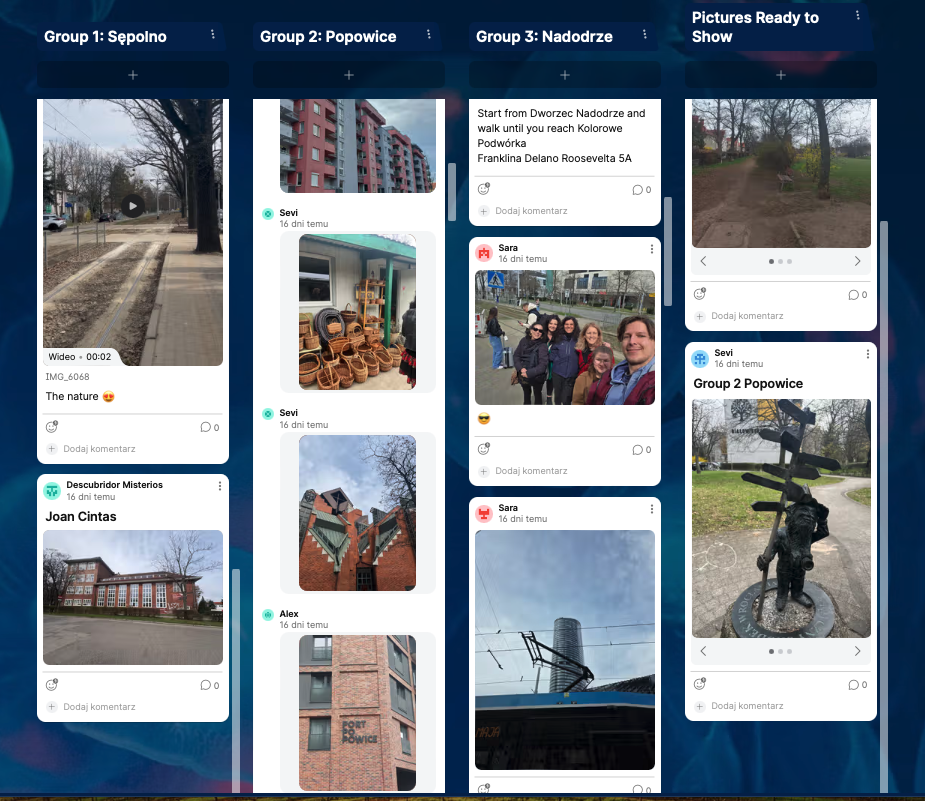
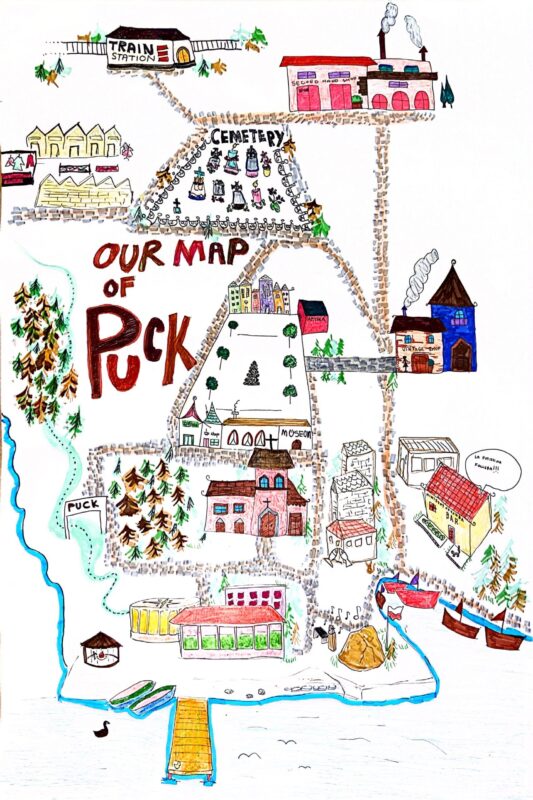
Participants also had the opportunity to learn about the „Citizens City Maps” concept. A tool used to identify the needs of local communities and visualize them within the urban space. After a brief coffee break, the workshop session began, during which participants actively worked on creating citizen maps, sharing their experiences and perspectives.
Activities continued within the framework of „Citizens City Maps,” focusing on implementing the Community Needs Assessment process. Participants analyzed specific cases and developed proposals for actions that could contribute to more inclusive and sustainable urban development.
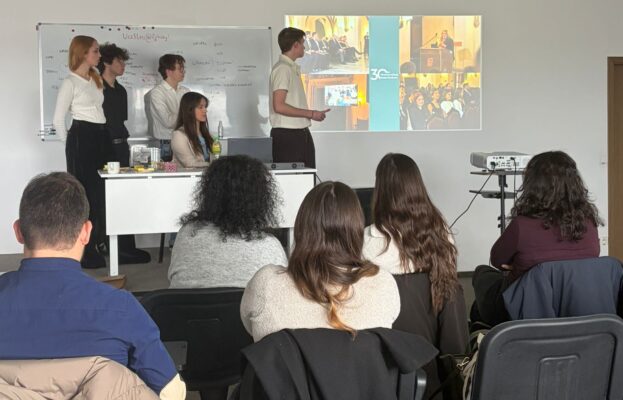
We also had the opportunity to involve the Youth City Council in Wrocław. Their insights were invaluable, and we believe their perspective will significantly strengthen the project. Representatives of the council will continue to collaborate with the project during local activities and upcoming meetings to gain a deeper understanding of various needs assessment methods.
The visit was not only an opportunity to acquire new knowledge but, above all, to build international relationships and cooperation.
RESULTS
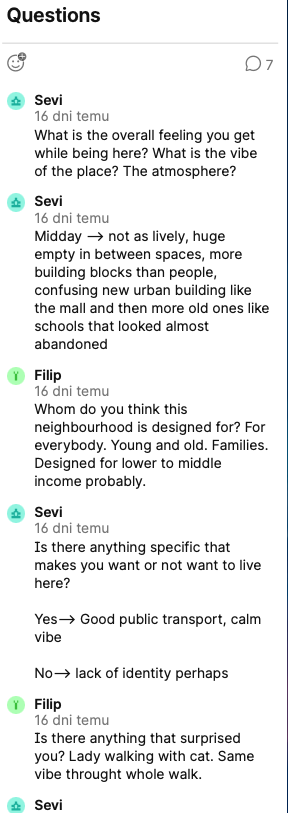
As for the results, participants highlighted was is important for them when choosing the neighborhood to live in:
- Access to recreational spaces (parks, outdoor gyms, proximity to nature) so that their neighbourhood allows them to actively spend leisure time close to where they live
- Good access to public transportation system
- Proximity of shops and services
- Safety (one of the neighborhoods – Nadodrze – was perceived by participants as not so save and therefore not so livable)
- Access to free time options more suitable for young people (community centers where events are organized, concert venues, pubs/cafes/restaurants)
- Public spaces and architecture that encourages meeting with neighbors and being in contact with people (one of the neighbourhoods, Popowice, was perceived by participants as very impersonal as the architecture is mostly blocks of flats where many people live; it was also perceived as a place for families / older people rather than youth)
CALL FOR ACTION
As for call for action, participants had the following ideas to make the city more liveable:
- Public investments in parks and recreational spaces
- Better transportation
- Investments in safety (what was interesting, participants claimed that sometimes it could be enough to for example remove graffiti from the walls, especially the hateful ones, to have a feeling of increased safety)
- Micro workshops to help (young) people to feel more connected to others (those do not have to big organized events, more like informal meeting points where people can share their skills with each other or just simply talk to get to know each other)
- Supporting and promoting local places – Actively choosing and promoting small cafes, cultural spots, or community centers – especially in areas like Nadodrze – can slowly shift how lively and safe a place feels
- Community clean ups and other initiatives to make the neighborhoods more beautiful, for example replacing hateful graffiti with something that promotes values such as peace, openness etc.
Meetings with stakeholders
We also had the opportunity to involve the Youth City Council in Wrocław. Their insights were invaluable, and we believe their perspective will significantly strengthen the project. Representatives of the council will continue to collaborate with the project during local activities and upcoming meetings to gain a deeper understanding of various needs assessment methods.